
How a Silk Saree is Made: From Cocoon to Couture
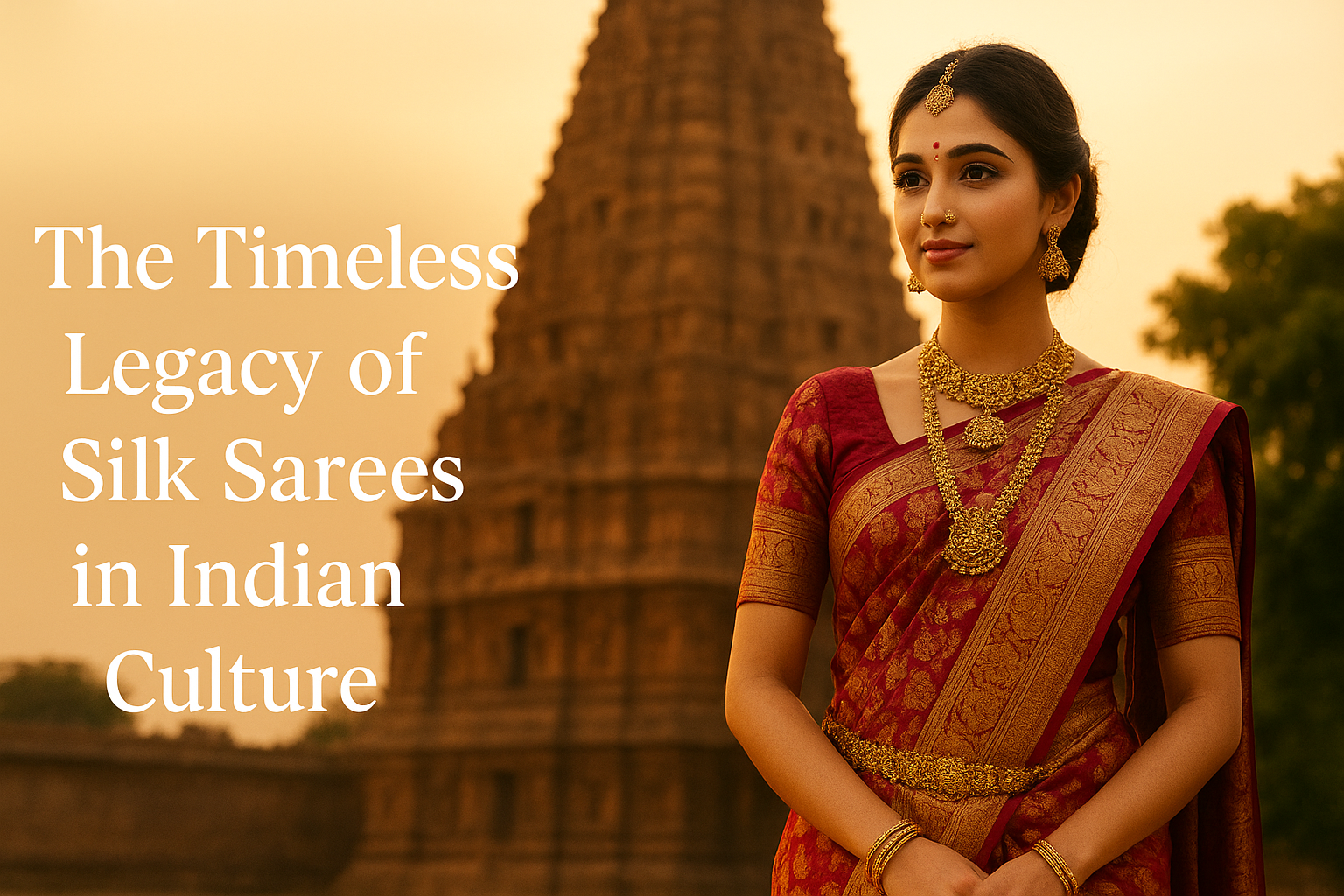
The Timeless Legacy of Silk Sarees in Indian Culture
BLOGS
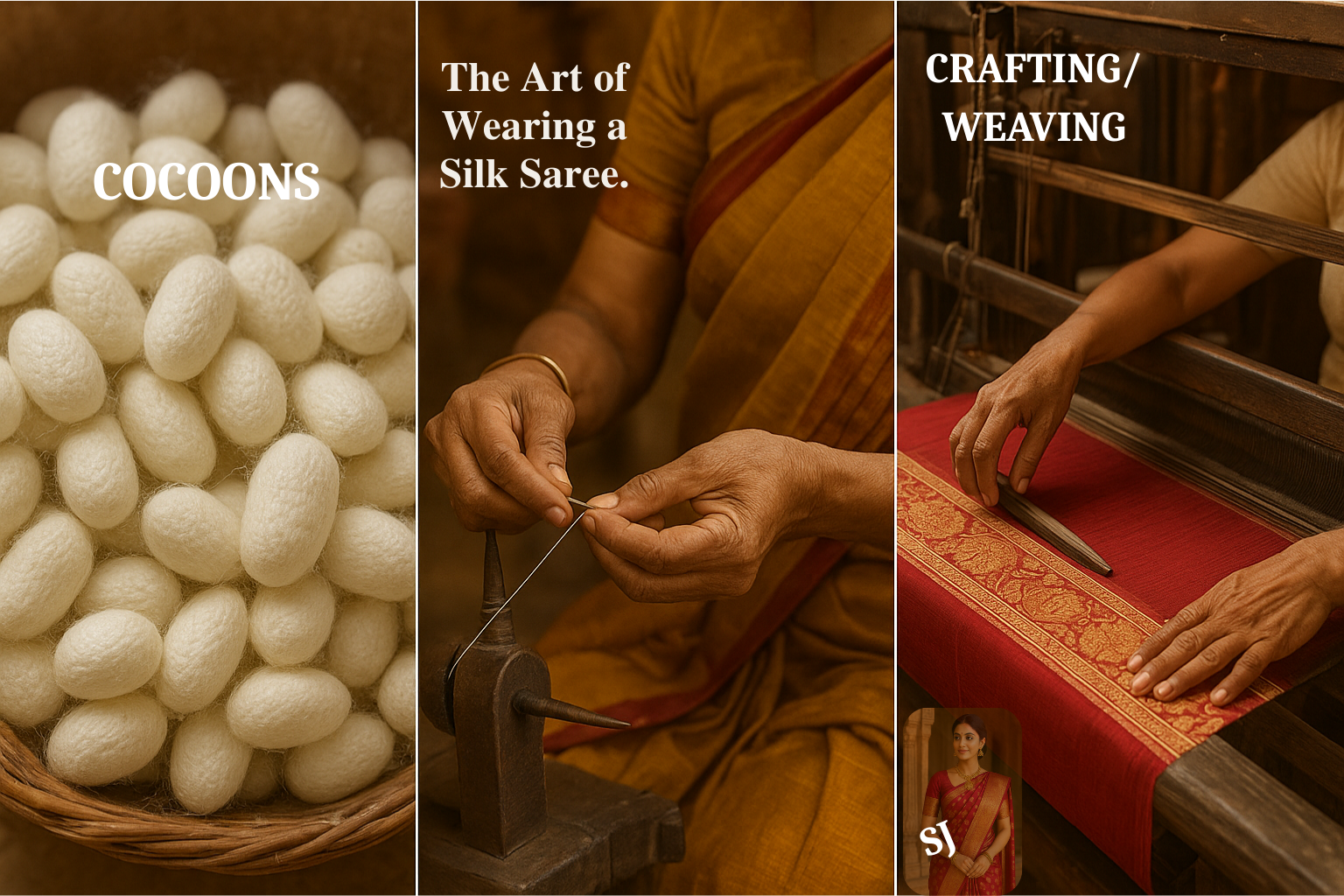
The making of a silk saree is a journey that begins in nature and ends in a masterpiece of art. It all starts with silkworms, which feed on mulberry leaves and spin fine cocoons. These cocoons are carefully harvested to extract raw silk threads. The shimmering fibers are then dyed in vibrant colors using age-old techniques.
Once dyed, the silk threads are wound onto spindles and set up on looms. Here begins the meticulous process of weaving. Skilled artisans, often from families who have preserved this craft for generations, bring designs to life through handlooms. Depending on the intricacy, a single saree may take weeks or even months to complete.
The motifs woven into sarees are deeply symbolic. Peacocks, lotuses, paisleys, and temple borders often find their way into the fabric. In a Kanjeevaram saree, for example, the pallu is often woven separately and then attached with great precision, ensuring durability and finesse.
What makes each silk saree special is the blend of artistry and patience. Every thread represents countless hours of dedication, making each saree unique. From cocoon to couture, the journey of silk is nothing short of magical—a legacy that celebrates both tradition and artistry.
Silk sarees hold an unshakable place in India’s cultural and traditional identity. They are not merely garments but embodiments of centuries-old craftsmanship, heritage, and rituals. Each region in India has developed its own weaving tradition, creating masterpieces like Banarasi, Kanjeevaram, Paithani, and Patola. These sarees are not just fabric; they are woven legacies.
A Banarasi silk saree, for instance, reflects Mughal artistry with intricate floral and jaal motifs, while Kanjeevaram sarees mirror temple architecture through bold designs and contrasting borders. Paithani sarees from Maharashtra are celebrated for their peacock and floral pallus, while Assam’s Muga silk symbolizes purity and elegance.
Wearing silk during weddings and festivals is considered auspicious. The golden zari threads often signify prosperity and blessings. Families cherish sarees as heirlooms, passing them from generation to generation, preserving emotions and history within their folds.
Today, silk sarees have gone beyond national boundaries, winning admiration across the world. Be it a wedding in the U.S. or a festival in Singapore, Indian brides proudly adorn silk sarees, embracing their roots with pride. In a fast-changing fashion landscape, silk sarees stand tall as timeless treasures, blending heritage with modern elegance.
Swipe Down To Next Page
How to Identify a Pure Silk Saree: 5 Foolproof Tips
10 Modern Ways to Style Your Silk Saree
Swipe Down To Next Page
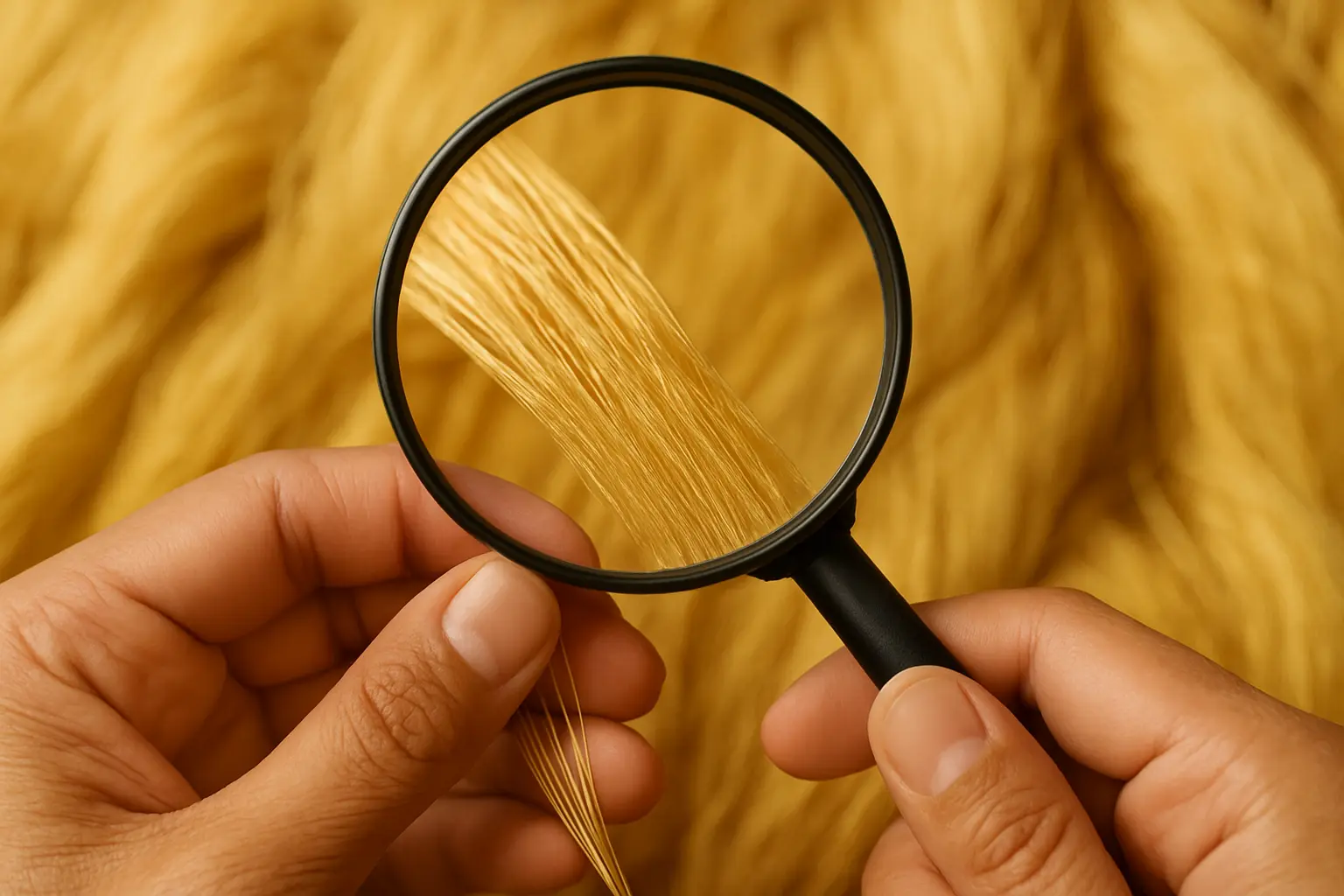
Silk sarees are often imitated with synthetic fibers, making it crucial to know how to identify the real ones. Here are 5 foolproof tips to ensure you’re buying genuine silk.
-
The Touch Test: Pure silk feels soft, smooth, and warm to the touch. Artificial silk feels rough and cool.
-
The Burn Test: Take a tiny silk thread and burn it. Pure silk smells like burning hair and leaves a fine ash. Fake silk smells like plastic.
-
The Ring Test: A pure silk saree can easily pass through a small ring without losing its sheen or softness.
-
Check the Zari: In authentic sarees, zari is made with gold or silver-coated threads. Fake zari uses plastic or copper wires.
-
Price & Weight: Pure silk is always heavier and more expensive due to the natural fiber and intricate weaving.
Buying from trusted stores and checking for Silk Mark certification is the safest way to ensure authenticity. A genuine silk saree is an investment that not only lasts for years but also becomes a cherished heirloom. Always choose wisely—because nothing matches the charm of true silk.
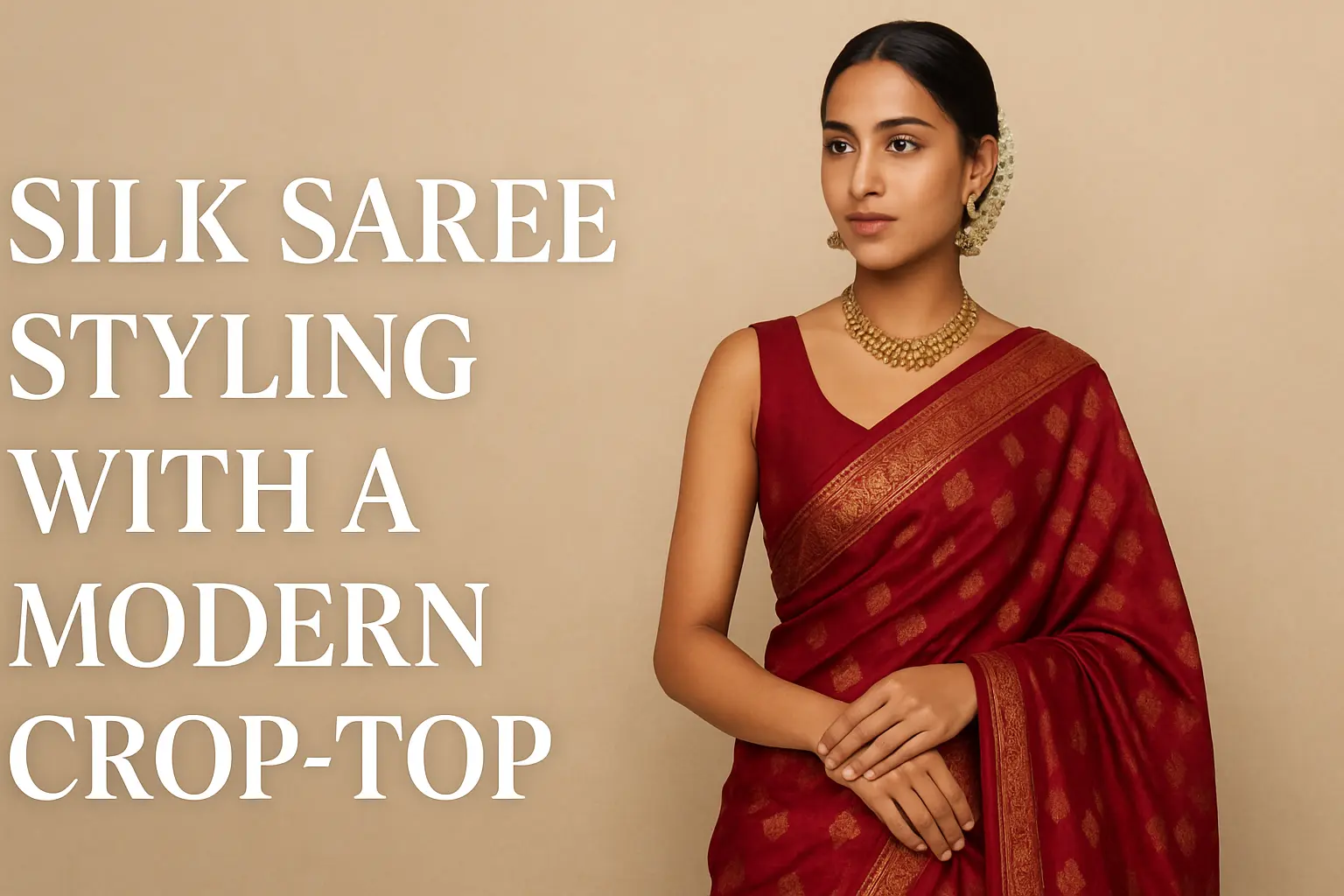
Silk sarees are timeless, but their styling doesn’t have to be traditional all the time. Today’s fashionistas are finding creative ways to make silk sarees versatile, elegant, and contemporary. Here are 10 ways to style your silk saree with a modern twist.
-
Crop Top Blouse: Replace the classic blouse with a stylish crop top for a chic Indo-Western vibe.
-
Belted Saree: Add a sleek belt at the waist to highlight your silhouette.
-
Jacket Style: Pair your saree with a long embroidered jacket for regal elegance.
-
Off-Shoulder Blouse: A bold choice for cocktail nights with sarees.
-
Mix Fabrics: Team a silk saree with a contrasting linen or organza blouse.
-
Pant-Style Draping: Drape your saree over cigarette pants for a runway-ready look.
-
Layered Jewelry: Mix temple jewelry with modern minimalistic pieces.
-
Pre-Draped Style: Perfect for quick dressing without compromising grace.
-
High-Neck Blouse: Adds sophistication and works well for corporate events.
-
Fusion Footwear: Swap heels for sneakers or boots to stand out.
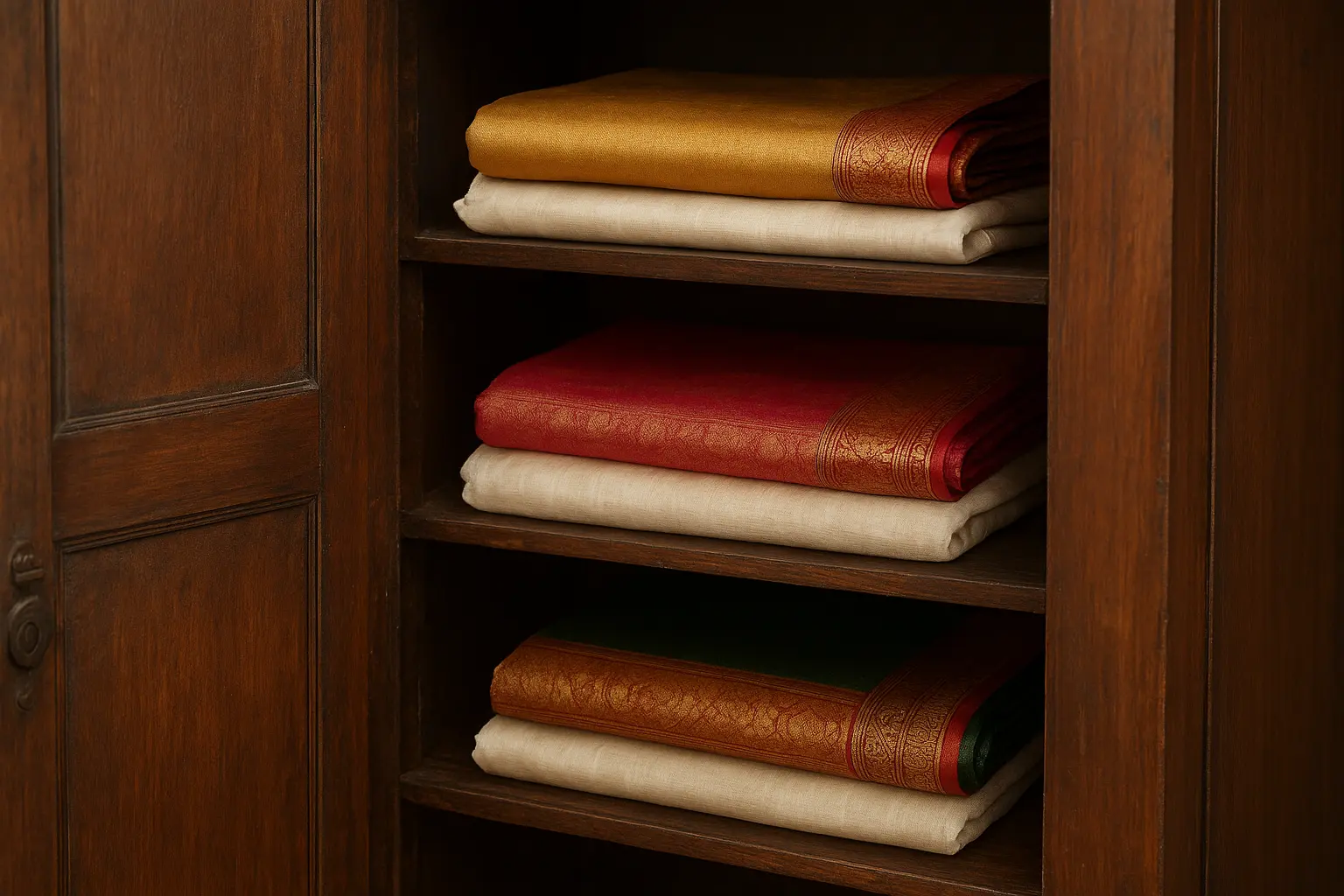
The Ultimate Guide to Storing and Preserving Silk Sarees
A silk saree is a treasure, and preserving its beauty requires careful maintenance. With the right storage and handling, your saree can remain flawless for decades.
Always fold your silk sarees with the zari facing inward to prevent wear. Store them in muslin or cotton cloth, never in plastic, as silk needs to breathe. Avoid hanging silk sarees for long periods, as it may cause stretching.
Keep sarees in a cool, dry place, away from direct sunlight to prevent color fading. It’s best to refold them every 3–4 months to avoid permanent creases. If your saree has zari, change its folding pattern often to maintain its shine.
For washing, dry cleaning is always recommended. Avoid strong detergents or machine washes as they can damage the delicate fibers. In case of stains, address them immediately with professional help.
With these steps, your silk sarees will remain as radiant as the day you bought them—ready to be passed down as heirlooms filled with memories and love.
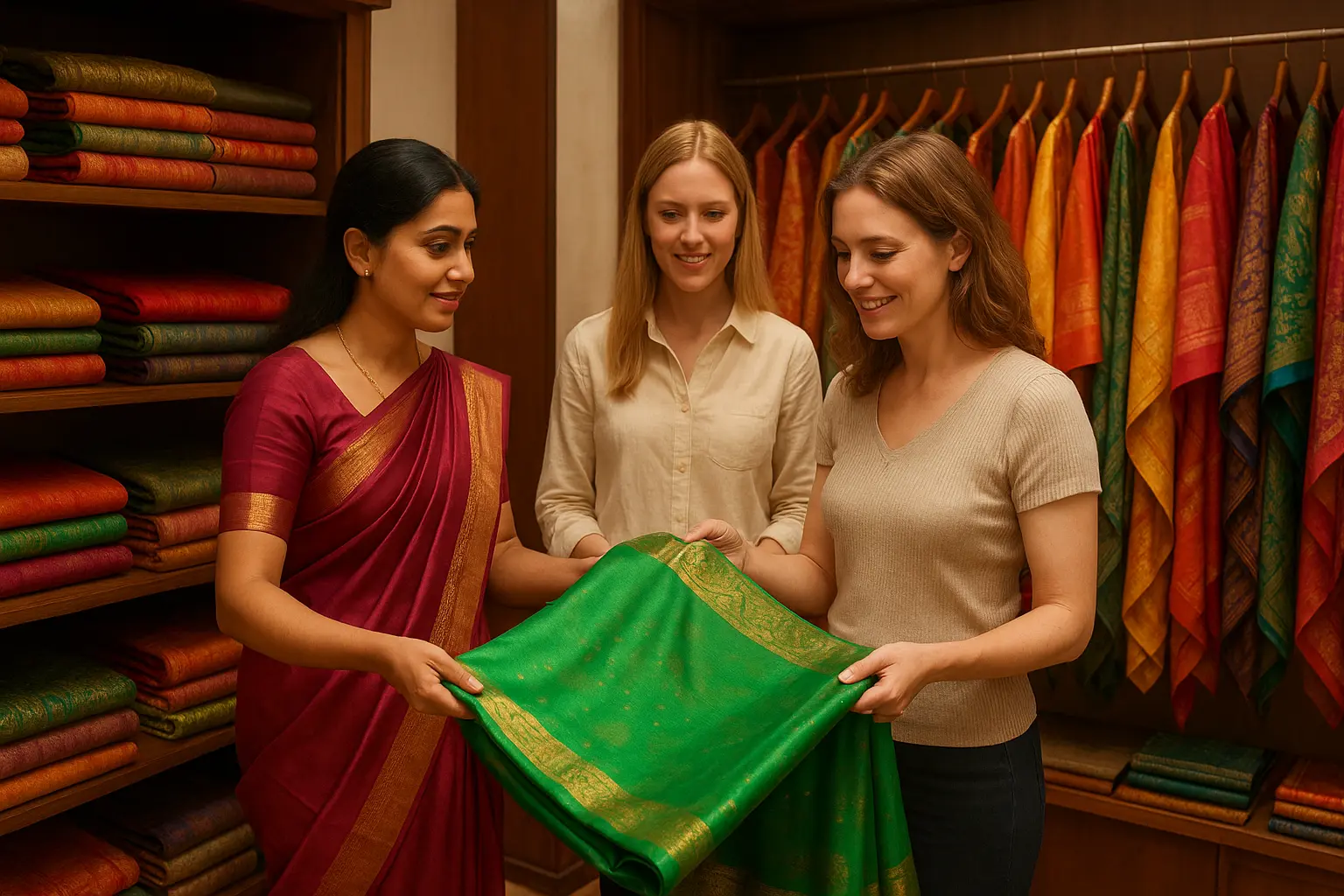
The Growing Global Demand for Indian Silk Sarees
Silk sarees, once reserved for Indian weddings and rituals, are now making waves in the global fashion industry. With the rise of cultural fashion showcases and destination weddings, Indian sarees have found a strong international audience.
Countries like the USA, UK, Singapore, and the Middle East see a growing demand for authentic Banarasi, Kanjeevaram, and Paithani sarees. Bollywood and social media influencers have further propelled this trend, making sarees a global style statement.
E-commerce platforms have also bridged the gap, allowing artisans to showcase their work to the world. Today, buyers in Paris or New York can order a handcrafted Kanjeevaram with just a click. This global exposure is helping revive handloom clusters, creating more opportunities for artisans.
With sustainability becoming a key factor in fashion, silk sarees stand out as eco-friendly, durable, and timeless investments. Their appeal lies not only in aesthetics but also in craftsmanship, making them luxury collectibles worldwide.
For textile entrepreneurs, this is the perfect time to invest in silk sarees. They are no longer limited to cultural attire but have evolved into symbols of luxury fashion across the globe.
